Parusso Armando Bussia 2018
Other Vintages We Offer:
• Domaine: Parusso Armando
• Appellation: Barolo DOCG
• Grape varietal: 100% Nebbiolo
• Classification: Monforte d'Alba, Italy

Parusso Armando is a winery located in the heart of the Piedmont region in Italy, specifically in the Langhe area. Located not far from Alba, the capital of Langhe, the Parusso family winery was founded in 1901 by Gaspare Parusso, and it is now run by his grandson, Marco Parusso. It has transformed from a family-owned farm to a highly regarded vineyard. They started bottling Barolo under the family label in 1971. After 50 years of meticulous and passionate work, the Parusso Armando company now manages 28 hectares of vineyards in the municipalities of Monforte d'Alba and Castiglione Falletto.
The winery produces wines made from the Nebbiolo grape, which is the main grape used in the production of Barolo wines. The vineyards are located in the best growing areas of the region, including the famous vineyards of Bussia and Mariondino. Parusso Armando also produces other red and white wines, such as Barbera, Dolcetto, and Chardonnay.
Parusso Armando is known for its traditional winemaking methods and its focus on quality. The winery uses only the best grapes from its own vineyards, and the wines are aged in oak barrels for a long period of time to develop their complex flavors and aromas. The winery also employs sustainable farming practices to preserve the environment and ensure the long-term viability of its vineyards.
Overall, Parusso Armando is a highly respected winery in the Piedmont region and is known for producing some of the finest wines in Italy.
Bussia was named after a farmhouse acquired by the family in 1925. This wine is made from Nebbiolo grapes, cultivated in Monforte d’Alba in Località Bussia from the blanding of the noble vineyards of Rocche (south/south-est) and Munie (south/west).
The age of the vines range from 15 to 50 years old. The soil is sandstone, marny, muddy, and chalky. The grapes are harvested by hand.
Vinification: after a soft pressing the grape occurs a long maceration. The alcoholic fermentation starts spontaneously with its indigenous yeasts without using sulfites.
Aging: in small oak barrels for minimum 18 months in contact with its indigenous yeasts, in bottle for almost 6 months, in bottle at controlled temperature of 15°C.
Pairing: red meat roasts , all game, truffle dishes and ripe cheese.
Tasting Notes
"The 2018 Barolo Bussia is a blend of Rocche and Munie. Pliant and racy in the glass, the 2018 is laced with dark fruit, mocha, sweet spice and licorice. Dried rose petal, mint, spice, kirsch, new French oak and dried flowers all build with aeration. The oak imprint is a bit prominent at this stage, but these wines have proven over time to have the substance to handle the wood." - Antonio Galloni, Vinous (2/2022) Ratings: 93+, Drink: 2028-2043
"Complex nose of ripe red fruit with sweet tobacco-like spice, flowers and orange cream. Full-bodied with a dense core of fruit and grainy tannin that is still riding high. Needs plenty of time to integrate and spread. Super winemaking in 2018. Hold until 2025." - James Suckling, Ratings: 95
| Stock Status | In Stock |
|---|---|
| Appellation | Barolo |
| Vintage | 2018 |
| Brand | Parusso Armando |
| Shipping Weight | 3.000000 |
-
 Château de Beaucastel 2018Special Price $99.95 Average US Price $141.00
 -
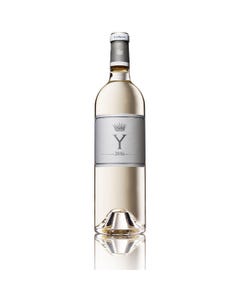 Château d’Yquem Y (Ygrec) 2016Special Price $248.95 Average US Price $260.00
 -
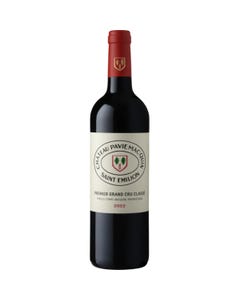 Château Pavie Macquin 2022Special Price $91.85 Average US Price $93.00
-
 Marchesi Antinori Solaia 2017Special Price $358.95 Average US Price $418.00
 -
 Giodo Brunello di Montalcino 2016Special Price $168.95 Average US Price $174.00