
Champagne Barons de Rothschild Rosé
Other Vintages We Offer:
• Domaine: Barons de Rothschild
• Appellation: Champagne
• Origin: Reim, Champagne, France

A harmonious and delicate complexity that delights all the senses
This is a joint project by all three branches of the Rothschild family: Château Lafite Rothschild, Château Mouton Rothschild, and Château Clarke. The idea came after many gatherings at Domaine Barons de Rothschild where extended families spend time together. They came to the realization that there was always Champagne served as a starter. Why shouldn't they serve a Champagne by Domaine Barons de Rothschild?
The finesse of Rosé Barons de Rothschild is achieved by blending the finest Chardonnays from Champagne with the best Pinot Noir reds after at least three years of ageing in the cellar. Its brilliance, pale pink hues, citrus and berry aromas will captivate the most discerning connoisseurs.
| Stock Status | Out of Stock |
|---|---|
| Appellation | Champagne |
| Brand | Domaines Barons de Rothschild |
| Shipping Weight | 3.000000 |
-
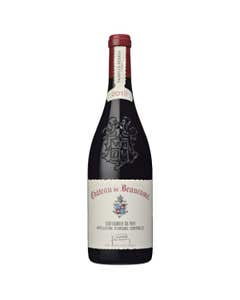 Château de Beaucastel 2018Special Price $99.95 Average US Price $141.00
 -
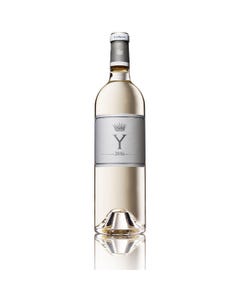 Château d’Yquem Y (Ygrec) 2016Special Price $248.95 Average US Price $260.00
 -
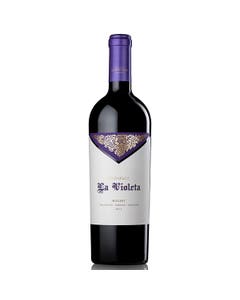 Lindaflor La Violeta 2014Special Price $102.95 Average US Price $103.00
 -
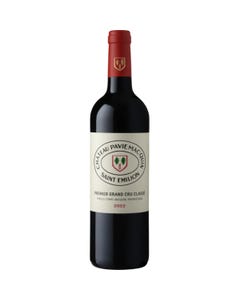 Château Pavie Macquin 2022Special Price $91.85 Average US Price $93.00
-
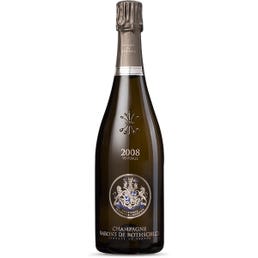 Champagne Barons de Rothschild Blanc de Blancs 2008Special Price $173.95 Average US Price $184.00
 -
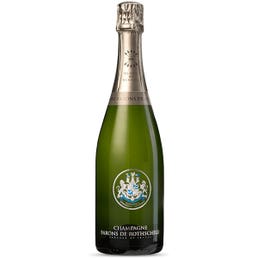 Barons de Rothschild Blanc de BlancsSpecial Price $69.95 Average US Price $83.00
 -
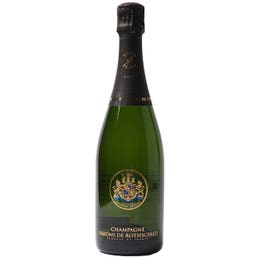 Champagne Barons de Rothschild Brut Millesime 2010Special Price $89.95 Average US Price $90.00
-
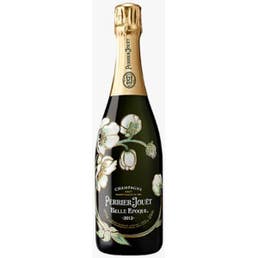 Champagne Perrier-Jouët Belle Epoque 2012Special Price $179.95 Average US Price $227.00
 -
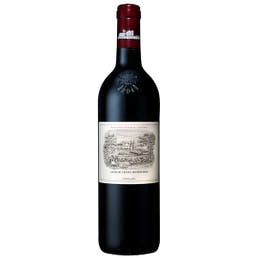 Château Lafite Rothschild 2020Special Price $749.95 Average US Price $840.00
 -
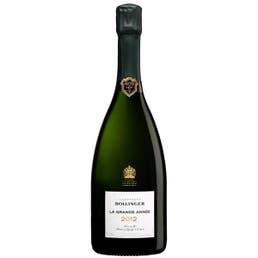 Bollinger La Grande Année 2012$177.00
 -
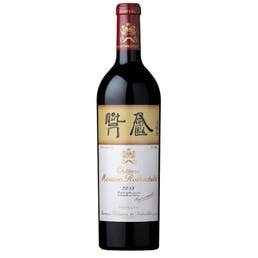 Château Mouton Rothschild 2018Special Price $713.95 Average US Price $954.00
 -
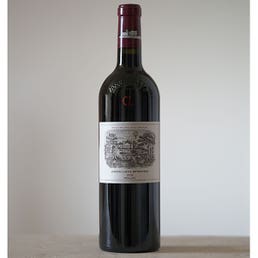 Chateau Lafite Rothschild 2018Special Price $1,044.95 Average US Price $1,310.00